Overcoming Supply Chain Disruptions in India’s Pharma Industry with Predictive Analytics
Growing Pressure on India’s Pharmaceutical Supply Chains
The ongoing tensions in West Asia are creating serious pressure on India’s pharmaceutical supply chains. Disruptions across key maritime routes near the Red Sea and the Strait of Hormuz have slowed cargo movement and pushed freight costs sharply higher. Pharmaceutical exporters are facing shipment delays to markets in the Gulf and North Africa, while logistics providers continue to impose new surcharges. At the same time, shortages of critical raw materials such as Active Pharmaceutical Ingredients and key starting materials are beginning to affect production planning. Rising prices for solvents and chemical inputs are further increasing manufacturing costs. Together, these challenges are creating uncertainty around export commitments, production continuity, and the overall availability of medicines.
How Predictive Analytics in Data Solutions Can Address These Challenges
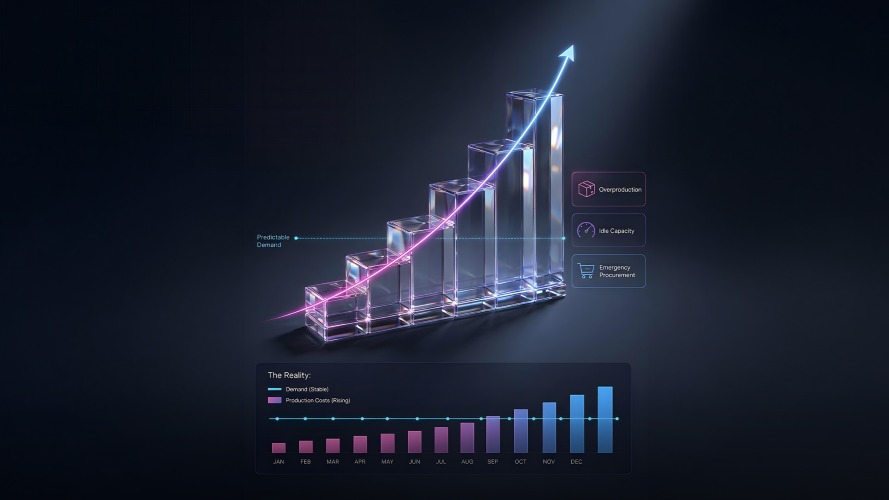
Predictive analytics has become a powerful capability within modern enterprise platforms such as SAP S/4HANA and planning tools like SAP Integrated Business Planning. By analyzing large volumes of operational and supply chain data, predictive models can identify patterns and anticipate disruptions before they escalate into serious operational problems. For pharmaceutical manufacturers, this capability allows procurement teams to forecast raw-material shortages and adjust sourcing strategies well in advance. Production planners can use predictive insights to prioritize the manufacturing of essential medicines when supply constraints are expected. Logistics teams can anticipate delays across major shipping routes and make early adjustments to delivery schedules. Predictive analytics can also estimate the financial impact of rising freight costs and fluctuating raw-material prices, helping companies prepare more accurate budgets and maintain stable pricing strategies. In an industry where even, small disruptions can affect patient care, the ability to anticipate risks and act early provides a critical operational advantage.
Why Predictive Analytics Matters More Than Ever for Business Decisions
The current instability in global trade routes highlights how quickly pharmaceutical supply chains can be disrupted by geopolitical events. Traditional planning methods often struggle to respond to sudden changes in logistics, procurement, and production timelines. Predictive analytics offers a more resilient approach by enabling companies to identify risks before they become operational crises. With advanced analytics embedded in platforms such as SAP S/4HANA and SAP Integrated Business Planning, pharmaceutical organizations gain the ability to forecast disruptions, optimize supply chain decisions, and protect the steady availability of medicines. In the current environment, predictive analytics is no longer simply a technological enhancement. It is becoming an essential capability for building a more responsive and resilient pharmaceutical industry.